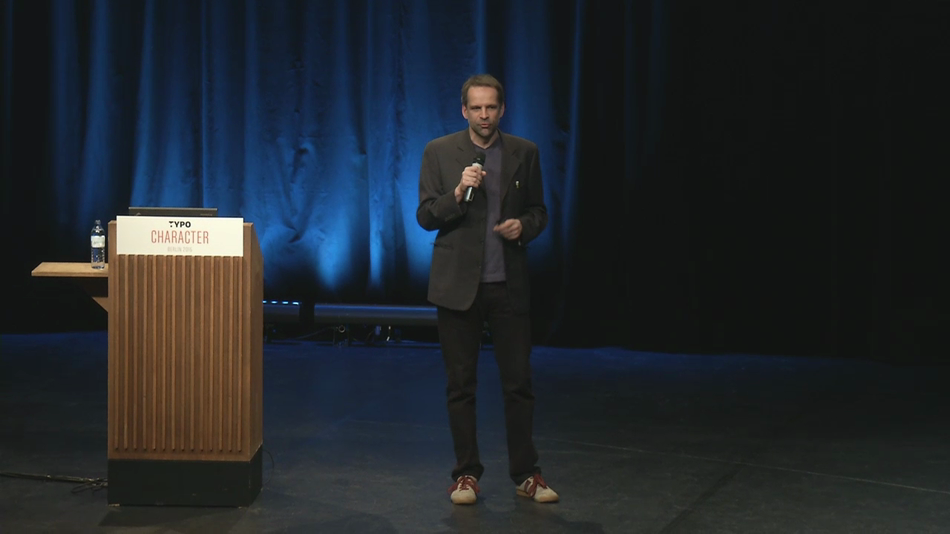
From typography to graphic types – playing with characters in Japanese inscription
In Japanese typography, the border between writing as an informational medium and writing as imagery is playfully porous. The Japanese system of writing is considered one of the most complex in the world. Writing a single language requires juggling four different character sets – Sino-Japanese kanji, the two syllabic scripts hiragana and katakana, and the Latin alphabet. Japanese designers turn this cornucopia of shapes and characters to creative advantage in visualising language, information and thought. This presentation will take a look at the various typography-based design principles of both historical and contemporary work from Japan.